
What is sumac, and how do you use it in Palestinian cooking? When people think of Middle Eastern spices, za’atar often comes to mind—but sumac deserves its own spotlight.
Made from dried and ground sumac berries, this deep-red spice brings a bright, tangy flavor to everything from fresh salads and grilled meats to musakhan, the beloved Palestinian national dish.
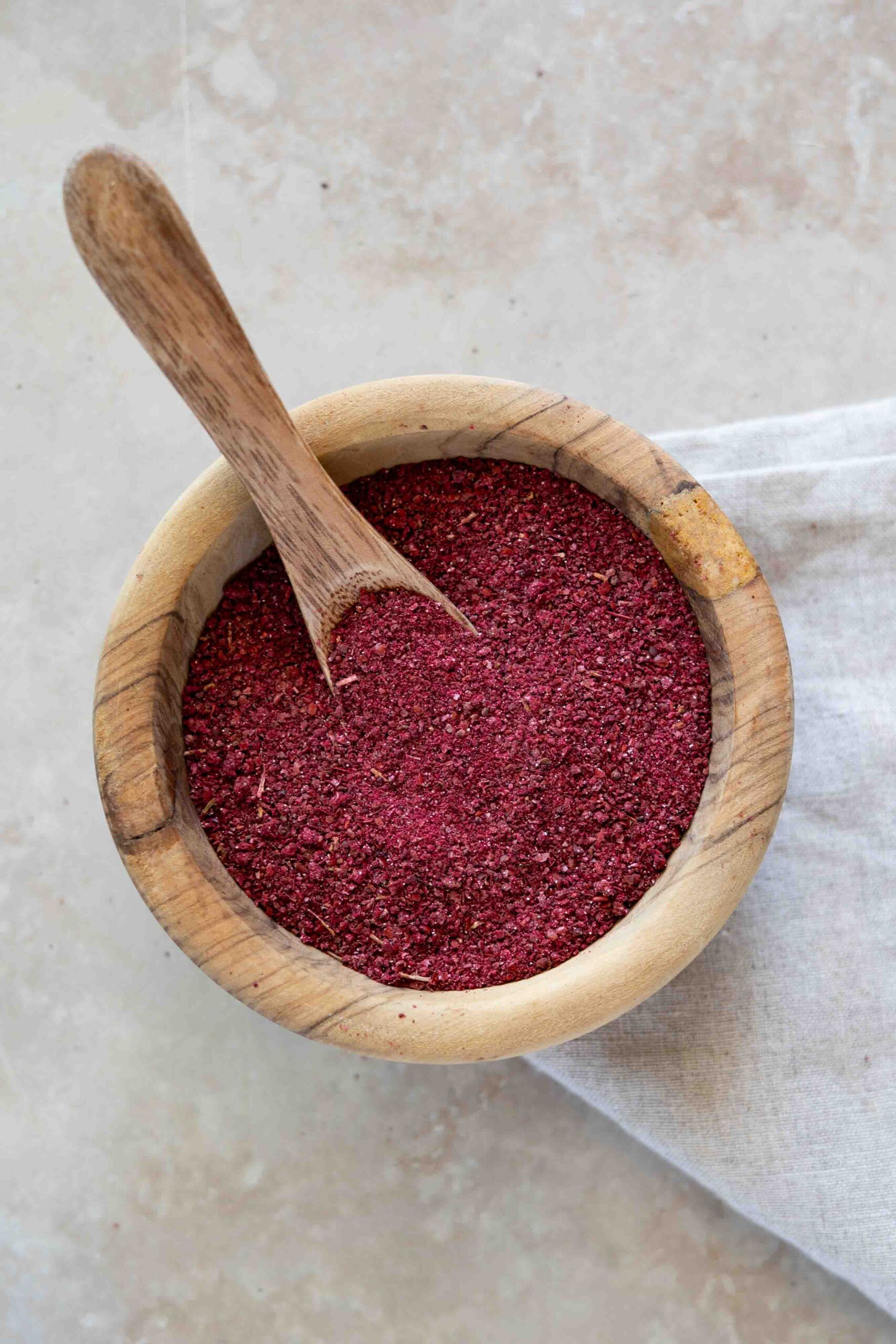
In Palestinian kitchen sumac is more than just a seasoning, it's a connection to land, family traditions, and recipes passed down through generations.
Jump to:
What is Sumac?
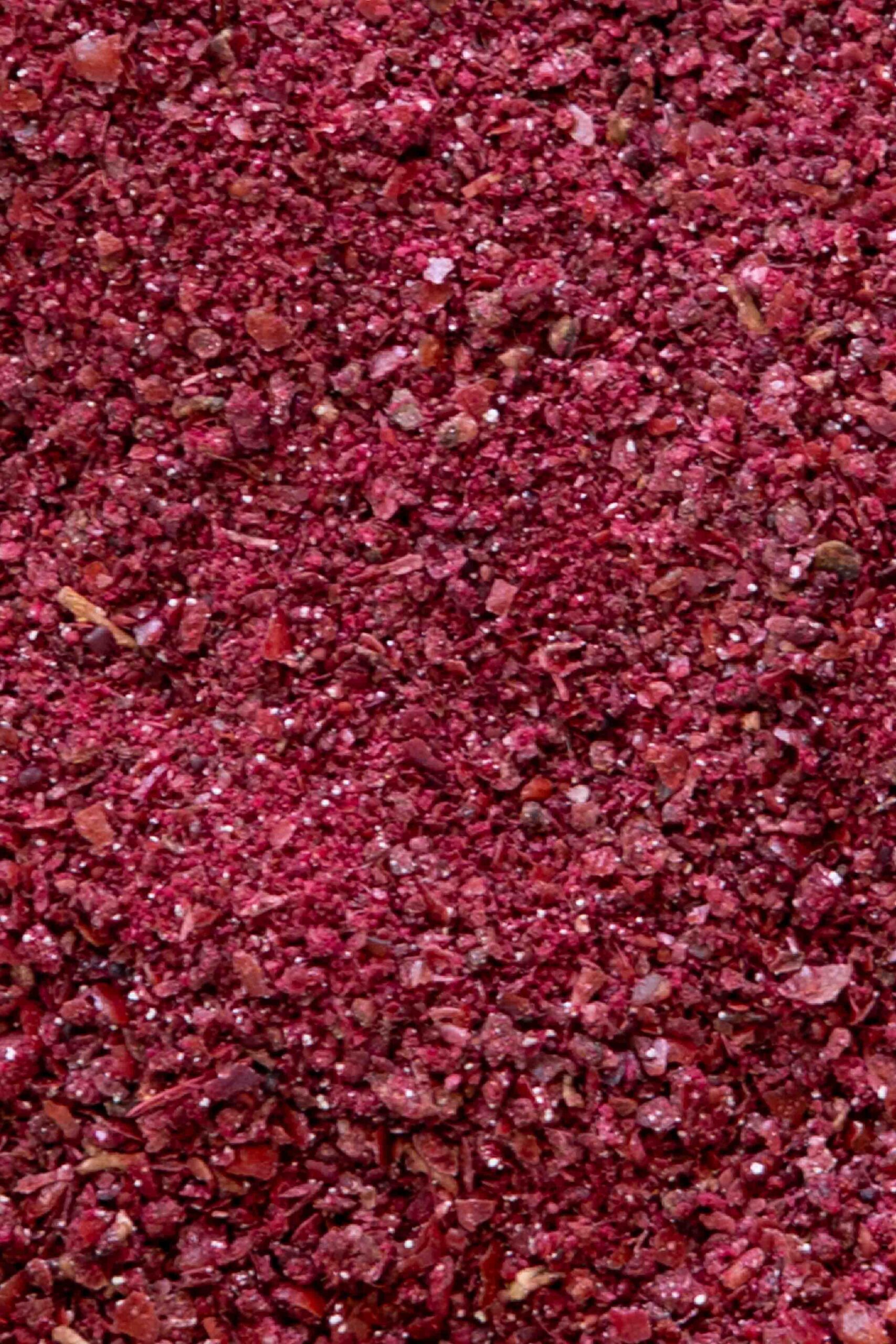
Sumac powder is a vibrant red-purple spice made by drying and grinding the berries of the wild sumac plant (Rhus coriaria). Known for its pleasantly tart, citrus-like flavor, it has long served as a natural alternative to lemon juice in regions where citrus was seasonal or less readily available.
Unlike spicy chili powders, sumac adds brightness without heat. Its refreshing acidity enhances flavors while preserving the natural taste of food.
The Ancient Origins of Sumac
Sumac has been used throughout the Eastern Mediterranean and Western Asia for over 2,000 years. Ancient civilizations, including the Romans, Greeks, and Persians, valued it both as a seasoning and for its medicinal properties.
The wild sumac shrub grows naturally across rocky hillsides throughout the Levant, where generations of families have harvested its berry clusters by hand. After harvesting, the berries are sun-dried and carefully ground into the fragrant powder used in kitchens around the world today.
For centuries, Palestinian farmers have gathered and processed sumac using traditional methods that preserve its rich color, aroma, and characteristic tang.
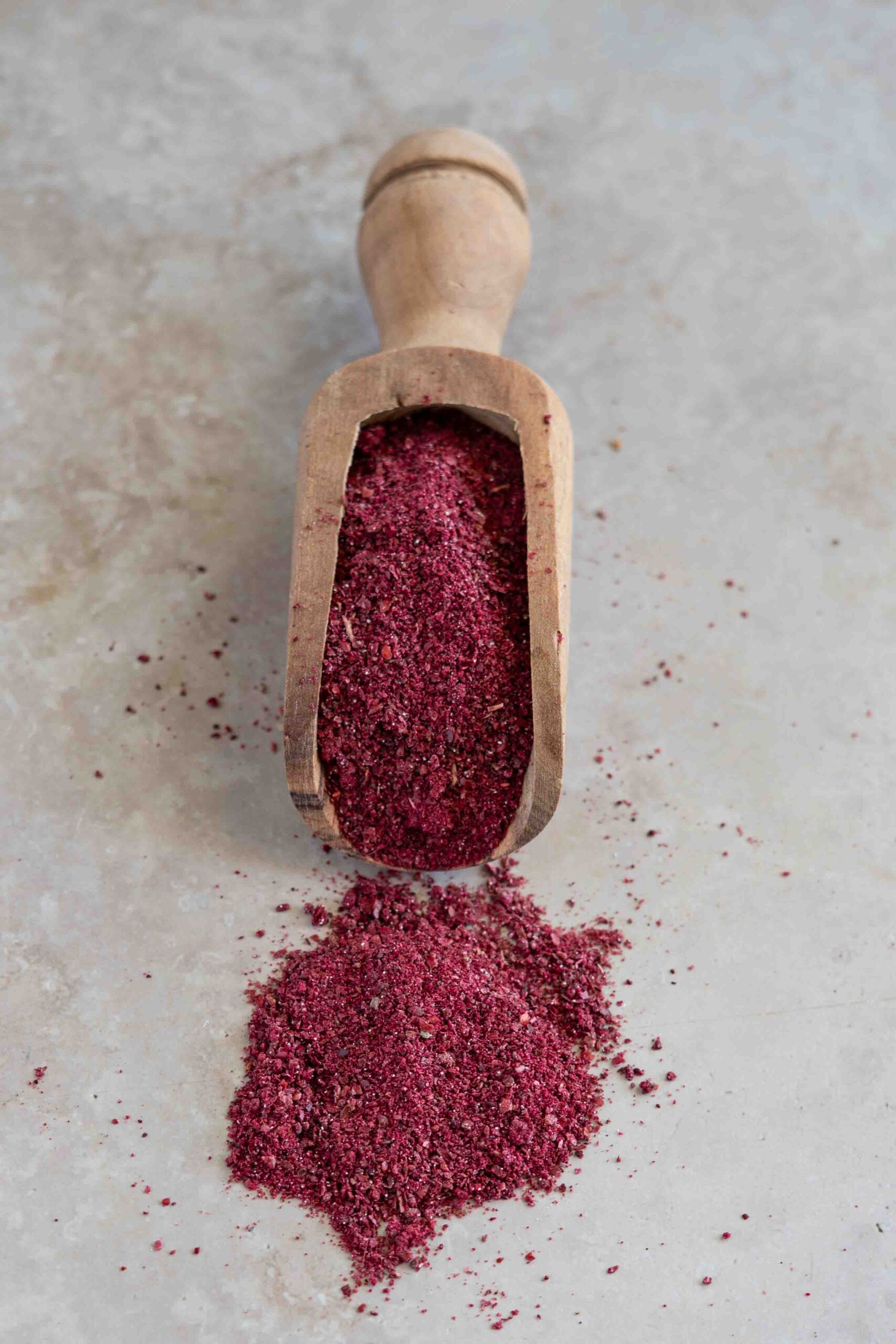
What does sumac taste like?
Sumac has a tart, lemony, slightly fruity taste with mild earthiness. It is not spicy-hot, and it should not taste bitter when fresh and high quality.
Because it delivers dry acidity, sumac works especially well in dishes where you want brightness without extra moisture. Think grilled meats, roasted potatoes, salads like in fattoush, arugula and spinach salad , dips, or rice, and crispy vegetables. It is often used as a finishing spice, added shortly before serving so its flavor stays fresh and noticeable.
How to Use Sumac Spice?
- Sprinkle over hummus, Mutabal or labneh
- Season grilled chicken, lamb, or fish
- Add brightness to roasted vegetables
- Mix into salad dressings
- Flavor rice and grain dishes
- Finish avocado toast or eggs
- Blend into marinades with olive oil and garlic
- Sprinkle over arugula spinach salad
- Chicken Shawarma
Here are a few dishes that use sumac:
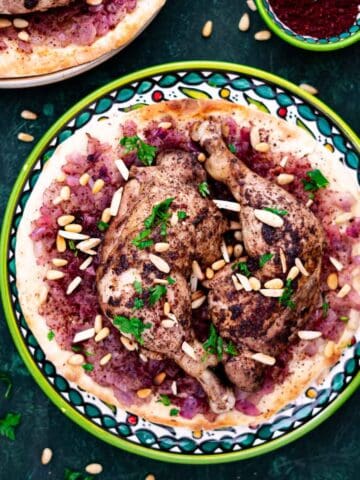
Musakhan: Palestine's National Dish. Perhaps no dish showcases sumac better than musakhan. This beloved Palestinian meal features roasted chicken layered over taboon bread with caramelized onions generously coated in sumac and olive oil.
Muskahan Rolls: The musakhan chicken rolls or vegan musakhan rolls are a modern twist to turn the traditional musakhan recipe into a fun finger food that can stand alone or added as a side option for any dinner party.
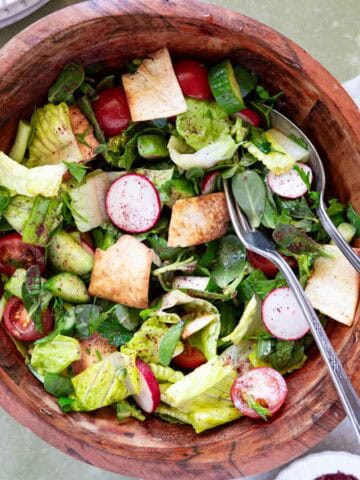
Fattoush Salad: The authentic fattoush salad features crispy toasted flat Arabic bread, fresh vegetables you likely already have in your refrigerator, and a bright, zesty dressing made with lemon juice, olive oil, and tangy sumac.
Zaatar Spice: Zaatar is an important blend within the Palestinian pantry, it's known for its lively aroma and distinctive taste. Zaatar, as the name refers to both the plant and the blend is comprised of a mixture of dried za'atar leaves, sumac, toasted sesame seeds, and salt.
Grilled Meats and Kebabs: Sumac is often sprinkled over grilled lamb, chicken, beef, and kebabs immediately before serving. Its tangy flavor cuts through richness and complements smoky char.
Onion Salads and Dips: A simple mixture of sliced onions, parsley, olive oil, and sumac is a common accompaniment to grilled meats throughout Palestine. The spice is also used to finish hummus, labneh, and roasted vegetables.
Health Benefits of Sumac Powder
- Antioxidants that help protect cells from oxidative stress
- Polyphenols and flavonoids associated with overall wellness
- Vitamin C in naturally occurring amounts
- Plant compounds that have been studied for anti-inflammatory and antimicrobial properties
Storage
Store sumac in an airtight container in a cool, dry, dark place, away from direct sunlight, heat, and steam from the stove. Sumac can last for several months to a year, depending on freshness at purchase.
Frequently Asked Questions?
No, sumac is not spicy-hot like chili powder or cayenne pepper. Its reddish color comes from the berries, and its flavor is tangy rather than hot.
There is no substitute that can taste exactly like sumac, but lemon zest and lemon juice is a useful substitute when you want citrus flavor without adding moisture.
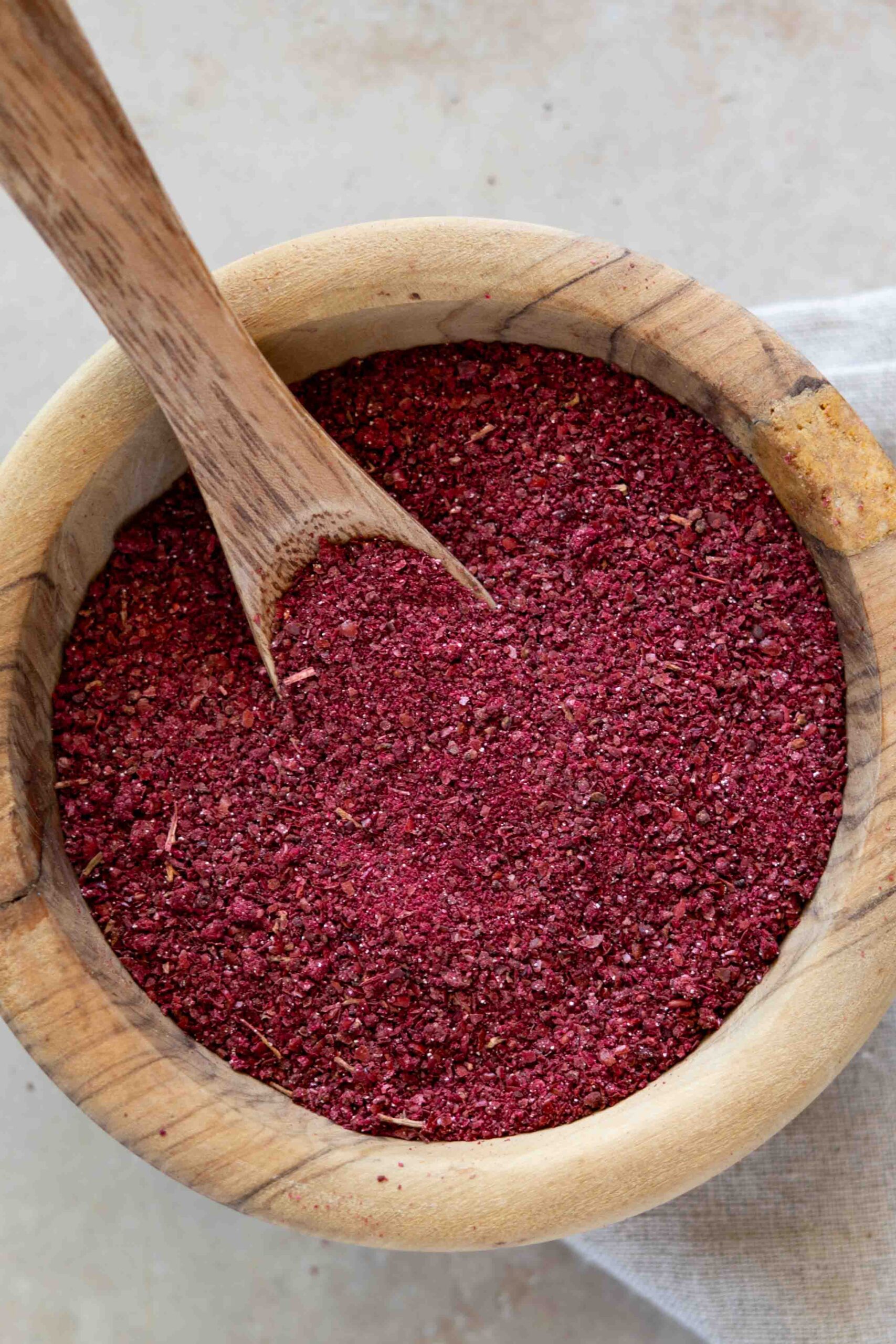
Look for an Arabic brand of sumac at your local Middle Eastern grocery store, and check the ingredient list for pure sumac without added salt or fillers. Look for a rich crimson or burgundy color, a slightly coarse texture, and a fresh, fruity, tangy aroma.
Click here to subscribe to my newsletter and receive free and new recipes right into your inbox!
If you enjoyed learning about sumac spice and how do you use it in Palestinian cooking? I would love it if you could give me a 5-star rating and leave a comment below.
I also would like to hear about your experience making it, snap a picture and tag me on Instagram, Facebook, or Pinterest.



Leave a Reply