
This Halloumi and Watermelon Salad is the perfect summer dish, it's light, refreshing, and bursting with flavor. The sweet juiciness of watermelon pairs beautifully with the salty, crispy halloumi.
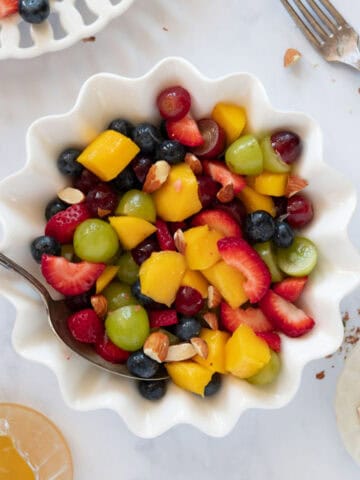
Inspired by classic Palestinian flavors, this simple yet vibrant salad bursts with deliciousness in every bite. For more summer salads try my fruit salad cocktail.
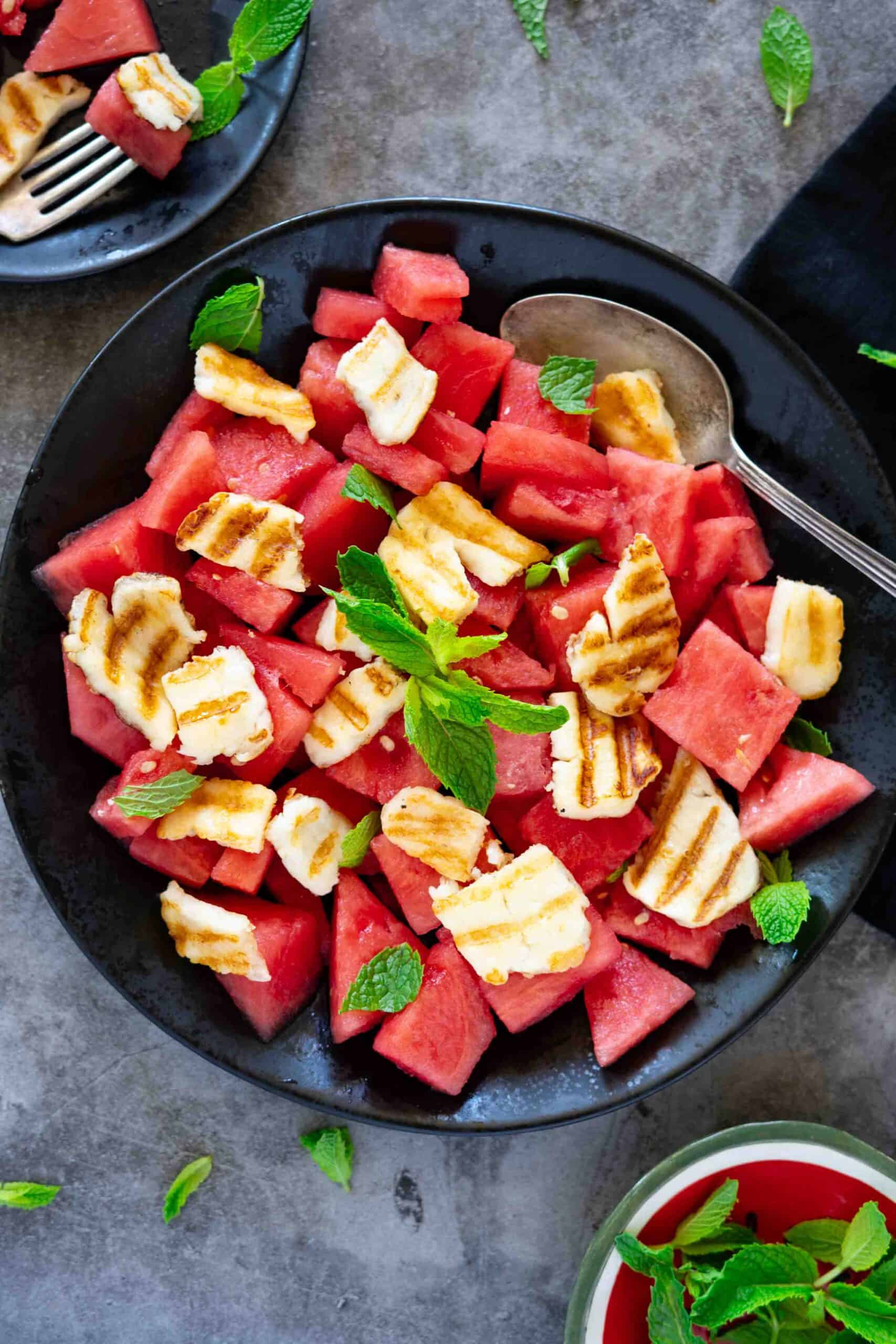
In Palestine, one of our most beloved ways to enjoy watermelon is to eat it with white salty cheese, fresh taboon or khoubzeh (Arabic bread), and some extra virgin olive oil mixed with za’atar spice (a fragrant blend of thyme, sumac, and sesame seeds).
I love tearing off a piece of khoubzeh, tucking in some jibneh (cheese), dipping it into the olive oil and za’atar, and taking a bite of sweet, chilled watermelon alongside it.
The combination is pure magic—sweet, salty, and refreshing all at once. It’s one of my favorite things to eat during the hot summer days, and every bite brings back memories of family gatherings, lazy afternoons, and the vibrant tastes of home.
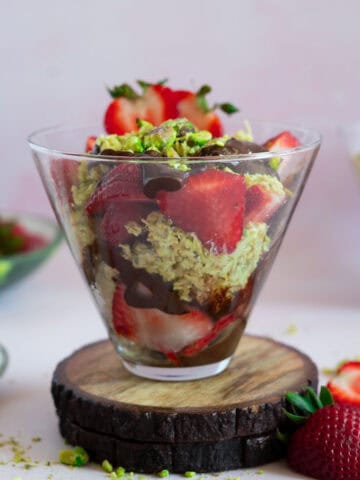
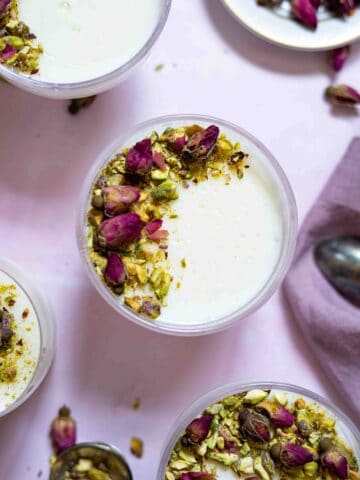
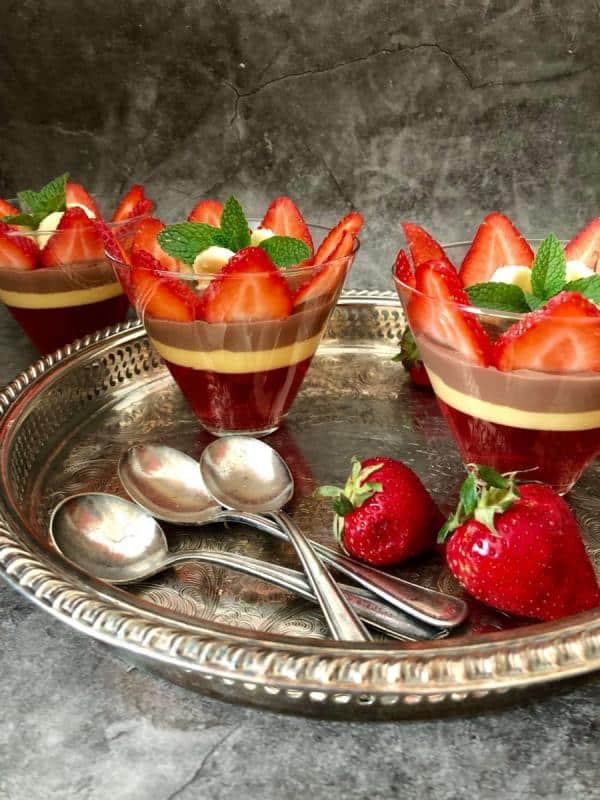
For more delicious summer recipes try Dubai chocolate strawberries, muhallebi, rice pudding, and chocolate custard pudding. For a savory Halloumi recipe try Halloumi salad.

Jump to:
Why You'll Love This Recipe?
- Sweet meets salty perfection – The juicy watermelon and savory halloumi create the ultimate flavor combo.
- Quick and easy – Ready in under 15 minutes with just a handful of fresh ingredients.
- Healthy and refreshing – Light, hydrating, and packed with freshness and vibrant flavor.
- Rooted in tradition – Inspired by the Palestinian way of enjoying watermelon with salty cheese and za’atar.
- Perfect for summer – Whether you’re hosting, picnicking, or just avoiding the stove, this salad brings the chill.
What is Halloumi Cheese?
Halloumi is a semi-hard, brine cheese traditionally made from sheep’s and goat’s milk, though some versions also include cow’s milk. Originating from Cyprus, it has a firm texture and a high melting point, making it ideal for grilling or frying without melting into a gooey mess.
Halloumi has a salty, slightly tangy flavor with a rich, chewy texture. When cooked, it develops a golden, crispy crust on the outside while remaining soft inside, enhancing its taste and appeal. It's commonly used in Mediterranean and Middle Eastern dishes, often paired with fresh salads, grilled vegetables, or even served on its own.
Equipment
This post may contain affiliate links
- Grill Pan - For grilling halloumi cheese (you can use regular pan)
- Cutting Board
- Knife
- Large Bowl
Ingredients
Full ingredients, measurements, and instructions are in the recipe card at the bottom of this post.
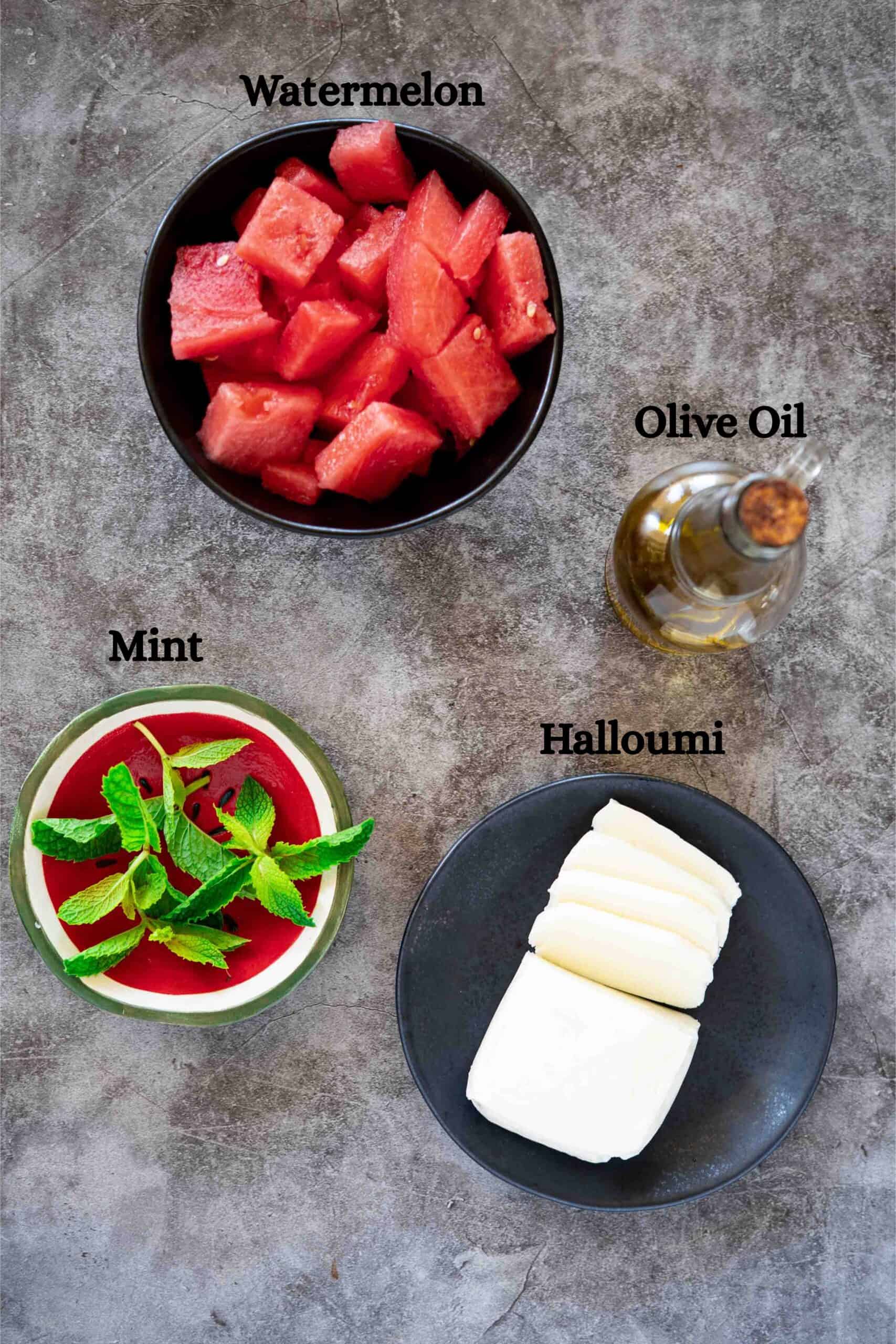
- Watermelon - Pick a watermelon that is sweet and firm, I've shared some tips below.
- Halloumi Cheese - Halloumi, a semi-hard cheese known for its high melting point, develops a golden, crispy crust when grilled or pan-fried, adding a delightful contrast of textures to the salad. You can use is ungrilled, or you can also use any other white cheese, like Nabulsi/akkawi or feta.
- Olive Oil - Only need a few drizzles for grilling the cheese.
- Fresh Mint Leaves (for garnishing) - It's optional, you can also replace it with basil.
Instructions

Step 1 | Remove the rind from the round slice.
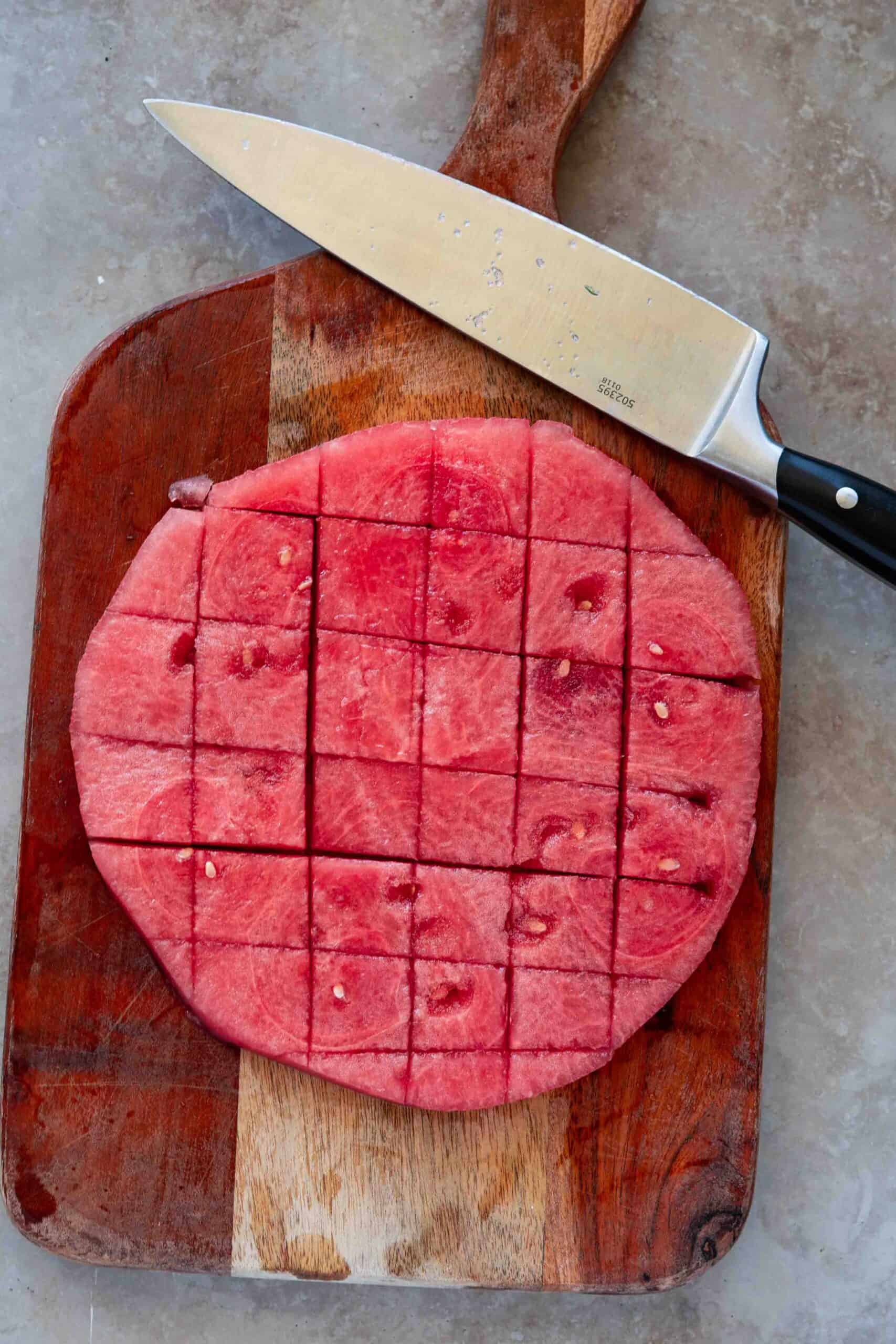
Step 2 | Cut the flesh into bite-sized square pieces.

Step 3 | Slice the halloumi into ¼-inch thick pieces.

Step 4 | Lightly grease a pan with olive oil. Grill the halloumi on each side for 2–3 minutes, or until golden and crispy.
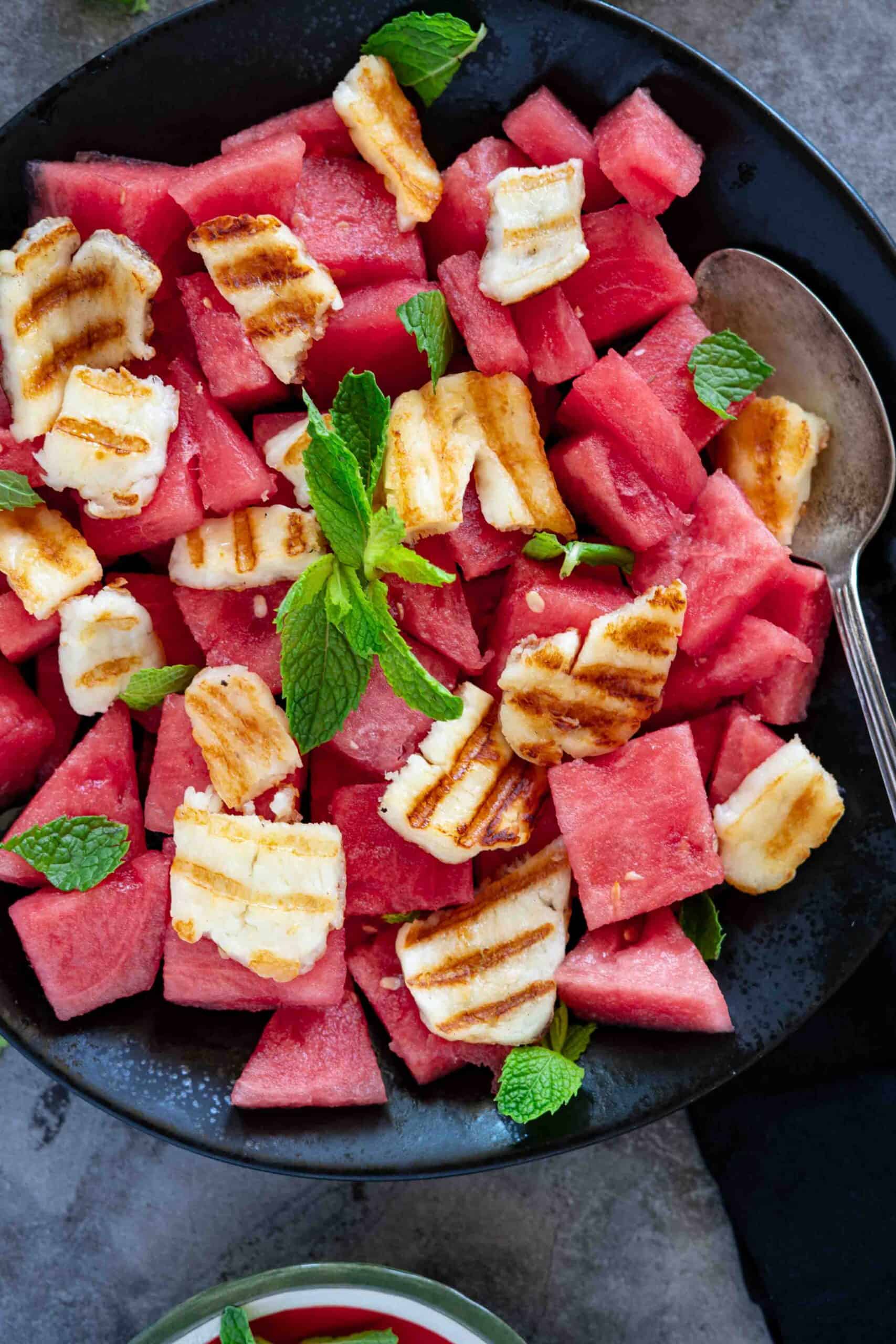
Step 5 | Place the watermelon squares in a serving bowl or platter. Top with the grilled halloumi slices and garnish with fresh mint leaves.
Tips To Pick a Sweet, Firm Watermelon
- Look for the field spot (the creamy patch): This is the yellowish spot where the watermelon rested on the ground. A deep yellow or creamy spot means it ripened in the sun and is likely sweeter. If it’s white or barely there, it was probably picked too early.
- Tap the watermelon with your knuckles. A ripe one sounds deep and hollow, like a drum. If it sounds dull, it might be overripe or underripe.
- Check the stripes and skin color: Look for bold, contrasting stripes and a dull (not shiny) skin. Shiny skin can mean the fruit is underripe.
- Pick it up and feel the weight: A ripe watermelon should feel heavy for its size, which means it’s full of water and juice. Trust your biceps—heavier is better.
- Inspect the tail (if attached):A dried, curly brown stem or tail means it was picked when ripe. A green tail means it may have been harvested too early.
- Firmness check: Give it a gentle squeeze—it should feel firm all around. Avoid any with soft spots, dents, or cuts.
Variations and Substitutions
- Cheese swap: If you can’t find halloumi, you can substitute it with Nabulsi/akkawi or feta cheese. If the akkawi is too salty, soak it in boiled water for 5–10 minutes to reduce the saltiness.
- Fruit twist: Swap watermelon for cantaloupe or ripe peaches for a slightly different sweetness.
Storage
- This salad is best enjoyed fresh to keep the watermelon crisp and halloumi warm and chewy.
- If you need to store leftovers, keep the halloumi and watermelon separate in airtight containers in the fridge for up to 1 day. Reheat the halloumi briefly before serving.
Pro Tips
- Use a nonstick pan or grill to get a perfect golden crust on your halloumi without sticking.
- Don’t slice the halloumi too thin; about ¼ inch thick gives a nice crispy outside with a soft, melty center.
- Chill the watermelon well before assembling for that refreshing burst with every bite.
- For a fun twist, sprinkle a little sumac on top for a tangy, citrusy note that complements the salad perfectly.
Frequently Asked Questions
A bright, sweet-tangy dressing to complement the watermelon.
2 tablespoon extra virgin olive oil, Juice of ½ lime, 1 teaspoon honey and a pinch of sea salt.
Whisk all ingredients together until well combined. Drizzle over the salad and gently toss to coat.
Yes! The salad itself is gluten-free. Just skip the khoubzeh or serve it with gluten-free bread if needed.
Use a nonstick skillet or grill pan over medium heat. Brush lightly with olive oil and grill for 2–3 minutes on each side until golden and crispy.

Click here to subscribe to my newsletter and receive free and new recipes right into your inbox!
If you made the Halloumi and watermelon salad I would love it if you could give me a 5-star rating and leave a comment below.I also would like to hear about your experience making it, snap a picture and tag me on Instagram, Facebook, or Pinterest.
More Delicious Recipes
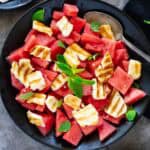
Halloumi and Watermelon Salad
- Prep Time: 5 minutes
- Cook Time: 5 minutes
- Total Time: 10 minutes
- Yield: 3
- Cuisine: Palestinian/American
- Diet: Gluten Free
Description
This Halloumi and Watermelon Salad is the perfect summer dish, it's light, refreshing, and bursting with flavor. The sweet juiciness of watermelon pairs beautifully with the salty, crispy halloumi.
Ingredients
- 1 block halloumi cheese (about 8 oz), sliced into ¼ inch thick pieces
- 3 cups watermelon, cut into bite-sized cubes
- ¼ cup fresh mint leaves, roughly chopped or torn
- 1 tablespoon olive oil (for grilling)
Instructions
- Cut the watermelon: Using a sharp knife, slice the watermelon in half. Take one half and cut a large round slice.
- Trim and dice: Remove the rind from the round slice, then cut the flesh into bite-sized square pieces.
- Prepare the halloumi: Slice the halloumi into ¼-inch thick pieces.
- Grill the halloumi: Lightly grease a pan with olive oil. Grill the halloumi on each side for 2–3 minutes, or until golden and crispy.
- Assemble the salad: Place the watermelon squares in a serving bowl or platter. Top with the grilled halloumi slices and garnish with fresh mint leaves.
- Serve immediately and enjoy this refreshing, savory-sweet summer salad!
Notes
Tips To Pick a Sweet, Firm Watermelon
- Look for the field spot (the creamy patch): This is the yellowish spot where the watermelon rested on the ground. A deep yellow or creamy spot means it ripened in the sun and is likely sweeter. If it’s white or barely there, it was probably picked too early.
- Tap the watermelon with your knuckles. A ripe one sounds deep and hollow, like a drum. If it sounds dull, it might be overripe or underripe.
- Check the stripes and skin color: Look for bold, contrasting stripes and a dull (not shiny) skin. Shiny skin can mean the fruit is underripe.
- Pick it up and feel the weight: A ripe watermelon should feel heavy for its size, which means it’s full of water and juice. Trust your biceps—heavier is better.
- Inspect the tail (if attached):A dried, curly brown stem or tail means it was picked when ripe. A green tail means it may have been harvested too early.
- Firmness check: Give it a gentle squeeze—it should feel firm all around. Avoid any with soft spots, dents, or cuts.
Leave a Reply