
Anise tea recipe, is a simple, caffeine-free tea. It is one of those timeless remedies with a small taste of Palestinian hospitality, health, and heritage in every sip.
Made by steeping anise seeds in hot water, this soothing Middle Eastern herbal tea is known for its delicate licorice-like flavor and incredible health benefits. The same simple method can be used to make fennel tea as well.
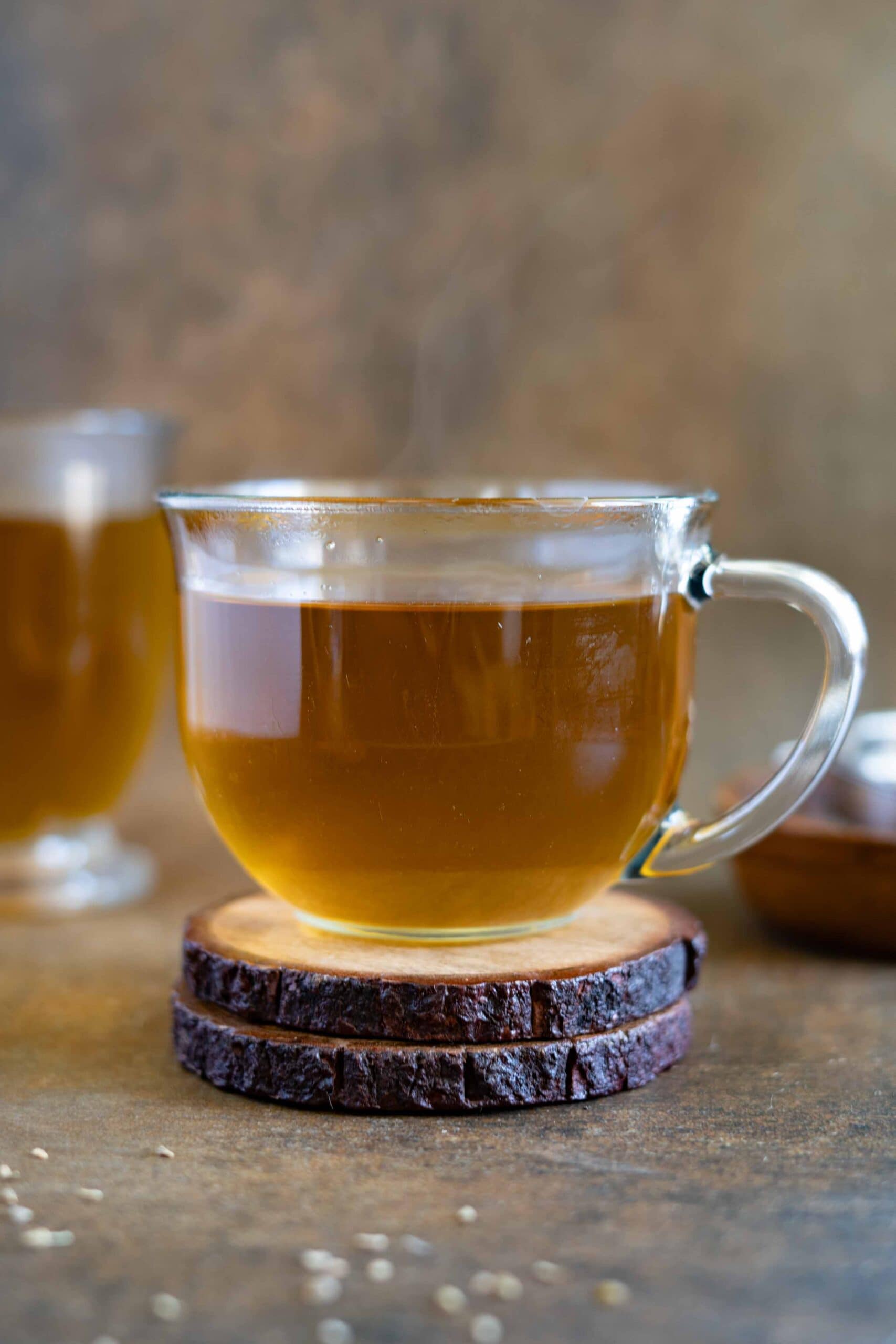
This herbal tea is especially loved for easing digestion, reducing gas after eating foods that causes bloating like lentils such as mujadara, or lentil soup, chickpeas (hummus), and malfouf (cabbage).
In Palestine, a warm cup of anise tea or yansoon, is much more than a simple herbal drink. It’s a symbol of comfort, care, and tradition passed down through generations. Whether it’s served to calm a baby’s tummy, offered to guests after a hearty meal, or sipped to help the body relax after a long day.
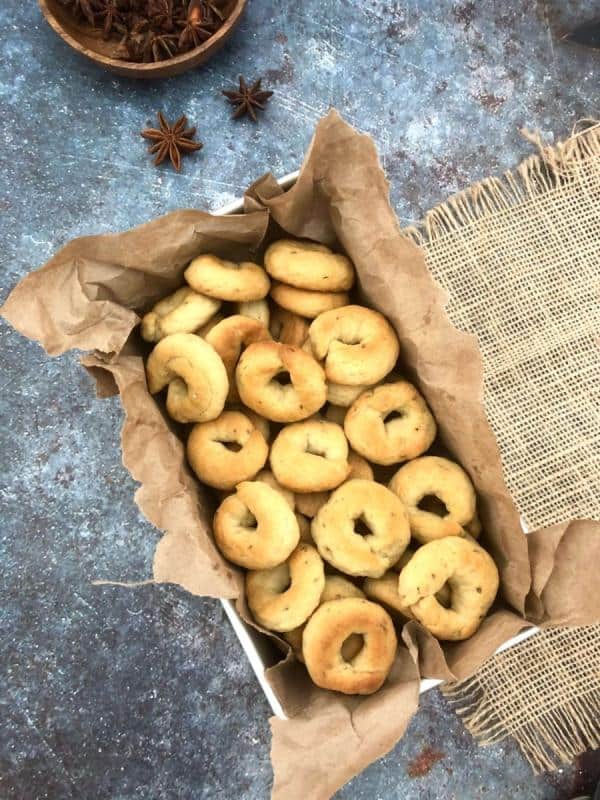
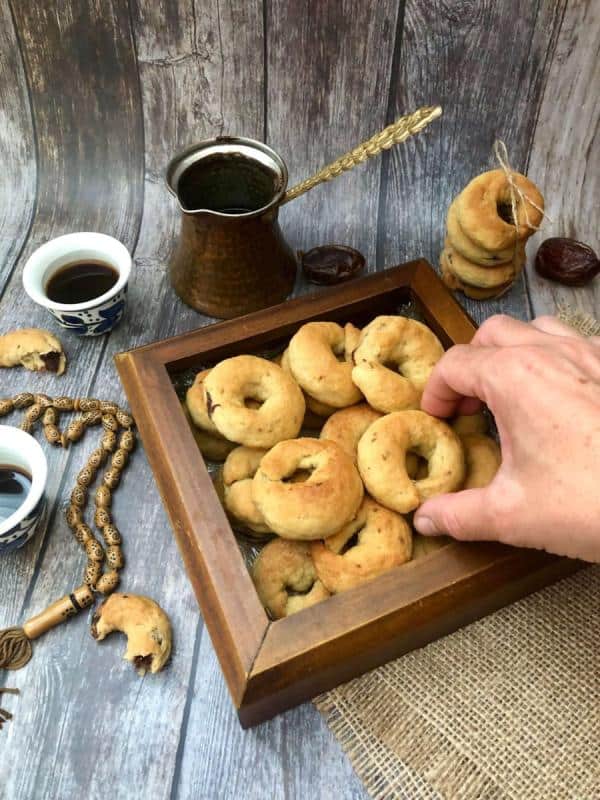
Anise tea holds a special place in every Palestinian home. Anise seeds are also used in some delicious cookies, such as anise cookies and date ring cookies.
Jump to:
What Are Anise Seeds?
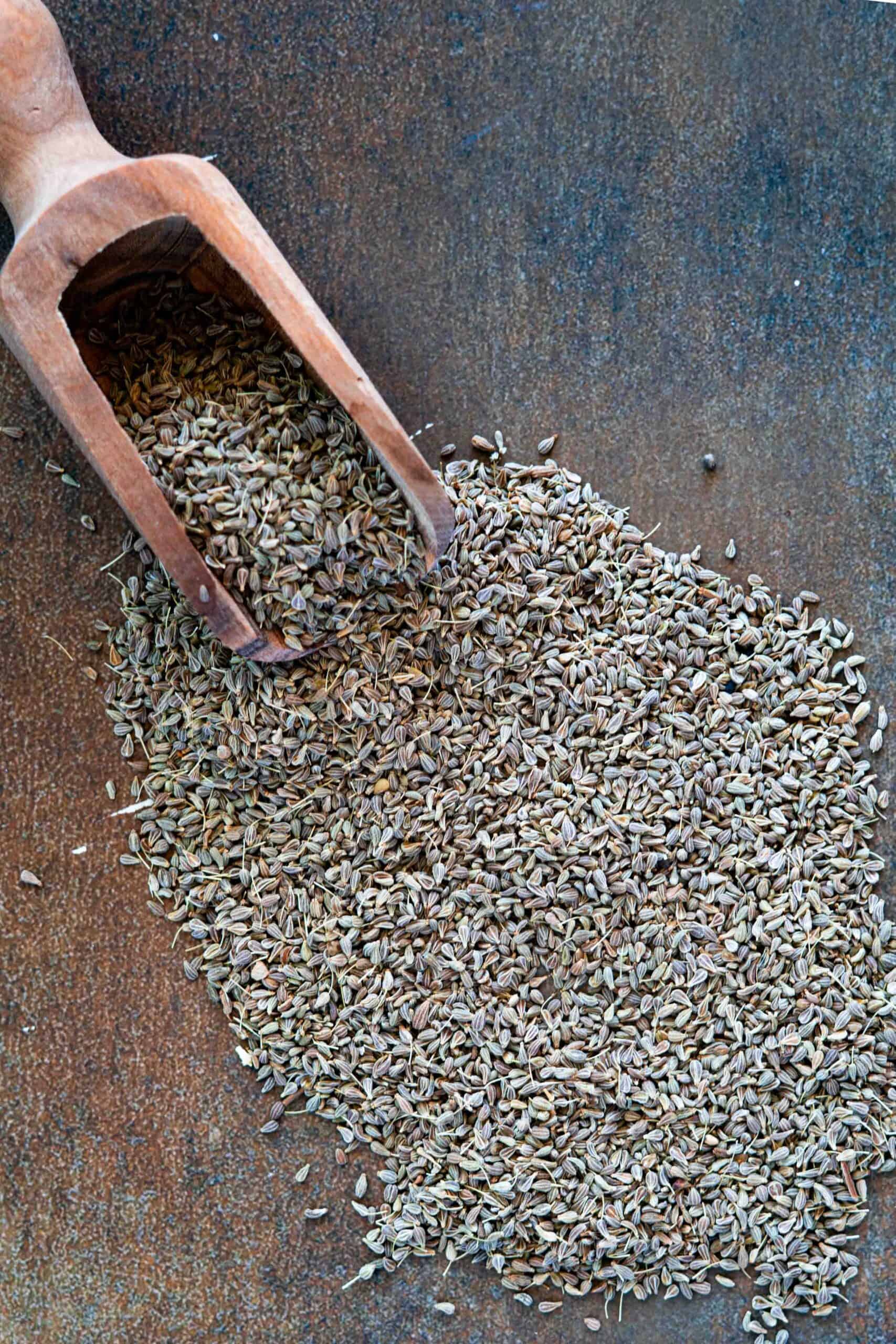
Anise (Pimpinella anisum) is a flowering plant native to the Mediterranean and Southwest Asia, known for its small, aromatic seeds. These seeds have a sweet, licorice-like flavor and are commonly used as a spice in baking, cooking, and herbal remedies.
Anise seeds are often confused with star anise, which actually comes from a completely different plant (Illicium verum). Star anise is the star-shaped fruit of an evergreen tree in the magnolia family, native to Southeast Asia, particularly China and Vietnam. It’s a dark brown pod with 6–8 points and has a stronger, bolder, and more pungent licorice flavor than anise seeds. Star anise is commonly used in savory dishes such as Chinese five spice, pho broth, and slow-cooked meats, and it’s typically found in Asian markets or the international aisle of grocery stores.
Anise seeds are popular in many Mediterranean cuisines, appearing in everything from Italian biscotti and Middle Eastern pastries to herbal teas and liqueurs like ouzo and Arak. It’s also known for its digestive benefits and soothing properties, making it a flavorful and functional spice!
Equipment
This post may contain affiliate links
- Tea Pot or you can use a tea infuser and steep it directly in a glass of hot water.
- Tea Strainer
Ingredients
- Anise seeds - Can be found at any Middle Eastern store.
- Hot water

Instructions

Step 1 | Place anise seeds in a teapot. And pour in boiling water.

Step 2 | Cover anise seeds with hot water.

Step 3 | Cover the pot and let it steep for 5–10 minutes.
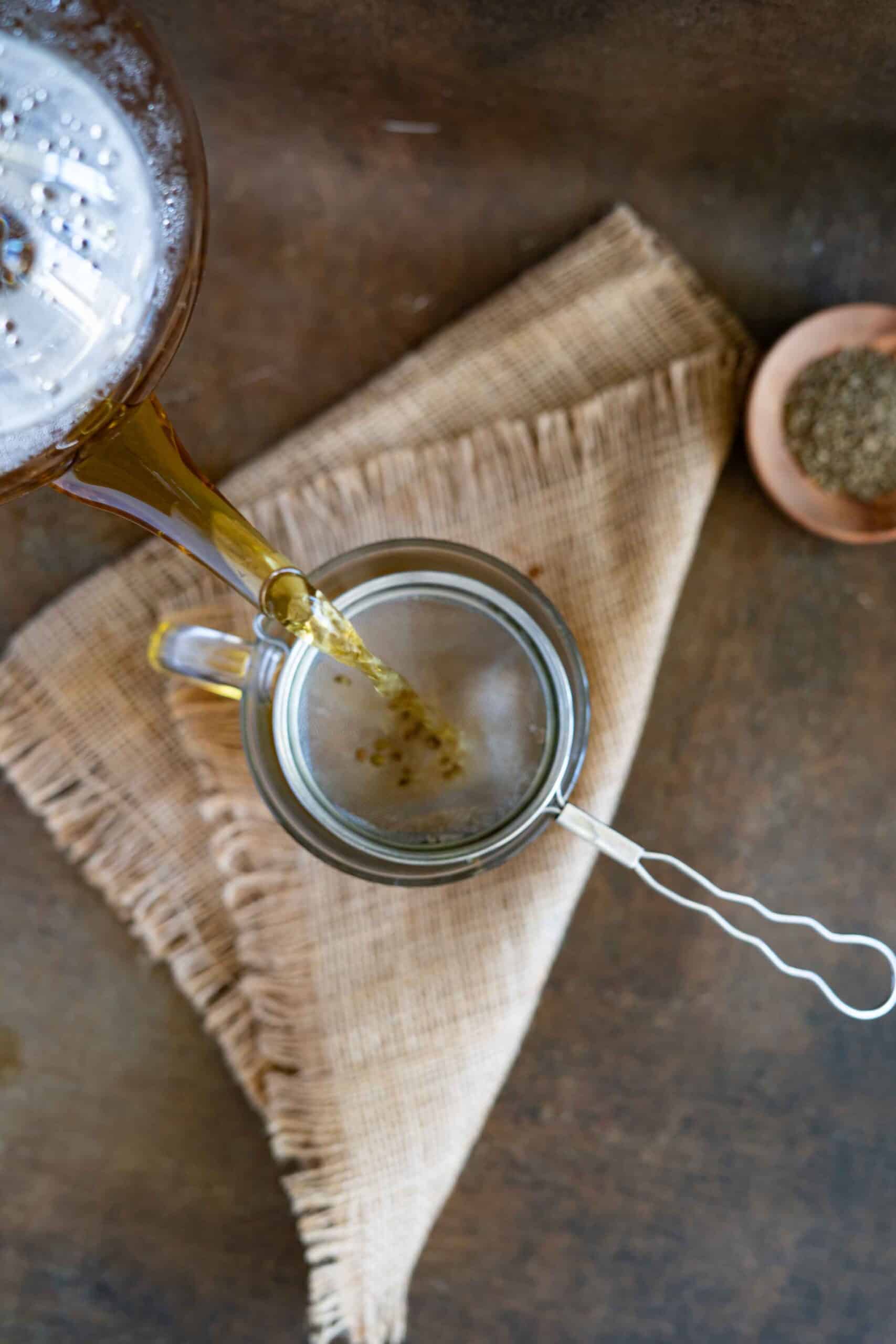
Step 4 | Strain the tea, then serve hot or warm. You can add honey or sugar to taste.
Tips & Variations
- For a lighter flavor, reduce steeping time.
- Mixing fennel seeds or fresh/dry mint leaves with anise seeds makes a great flavor combination.
- Add a slice of lemon for brightness.
- Traditionally, this is sipped warm after meals, it helps digestion and soothes the stomach.
- Anise seeds are naturally sweet, so if you prefer your tea sweetened, you’ll need less sugar than you would with most other herbal teas.
Frequently Asked Questions
Yes, in many Middle Eastern households, anise tea is given in small amounts to children to soothe stomach aches or help with colds. It’s naturally caffeine-free and gentle, but always check with a pediatrician for young children or infants.
Yes! Anise tea is especially helpful after eating gas-producing foods like lentils, bulgur, chickpeas, cabbage (malfouf), and cauliflower (mafloul). A warm cup helps absorb excess gas and makes digestion more comfortable.
No, while both have a licorice-like flavor, they come from different plants. Anise seeds (used in Middle Eastern tea) have a lighter, sweeter taste, while star anise (common in Asian cooking) is stronger and spicier.

Click here to subscribe to my newsletter and receive free and new recipes right into your inbox!
If you made the anise tea recipe I would love it if you could give me a 5-star rating and leave a comment below.
I also would like to hear about your experience making it, snap a picture and tag me on Instagram, Facebook, or Pinterest.
More Delicious Recipes

Anise Tea Recipe
- Prep Time: 5 minutes
- Total Time: 5 minutes
- Yield: 2 cups
- Cuisine: Palestinian/Middle Eastern
- Diet: Vegan
Description
Anise tea recipe, is a simple, caffeine-free tea. It is one of those timeless remedies with a small taste of Palestinian hospitality, health, and heritage in every sip.
Made by steeping anise seeds in hot water, this soothing Middle Eastern herbal tea is known for its delicate licorice-like flavor and incredible health benefits. The same simple method can be used to make fennel tea as well.
Ingredients
- 1 tablespoon anise seeds.
- 2 cups hot boiled water.
- Honey or sugar (optional, to taste)
Instructions
-
Place anise seeds in a teapot and pour in boiling water.
-
Cover the pot and let it steep for 5–10 minutes.
-
Strain the tea, then serve hot or warm.
-
You can add honey or sugar to taste.
Notes
- For a lighter flavor, reduce steeping time.
- Mixing fennel seeds or fresh/dry mint leaves with anise seeds makes a great flavor combination.
- Add a slice of lemon for brightness.
- Traditionally, this is sipped warm after meals, it helps digestion and soothes the stomach.
- Anise seeds are naturally sweet, so if you prefer your tea sweetened, you’ll need less sugar than you would with most other herbal teas.


Rime says
Thanks for sharing this easy herbal drink, love it.
Wafa Shami says
Hello Rime, thanks for the review, glad to hear you liked it.
Dmax says
Just picked up some anise seed based on intuition, now I know why! Thank you so much.
Wafa Shami says
Hell Dmax, you are welcome! I hope you'll enjoy this tea.